 |
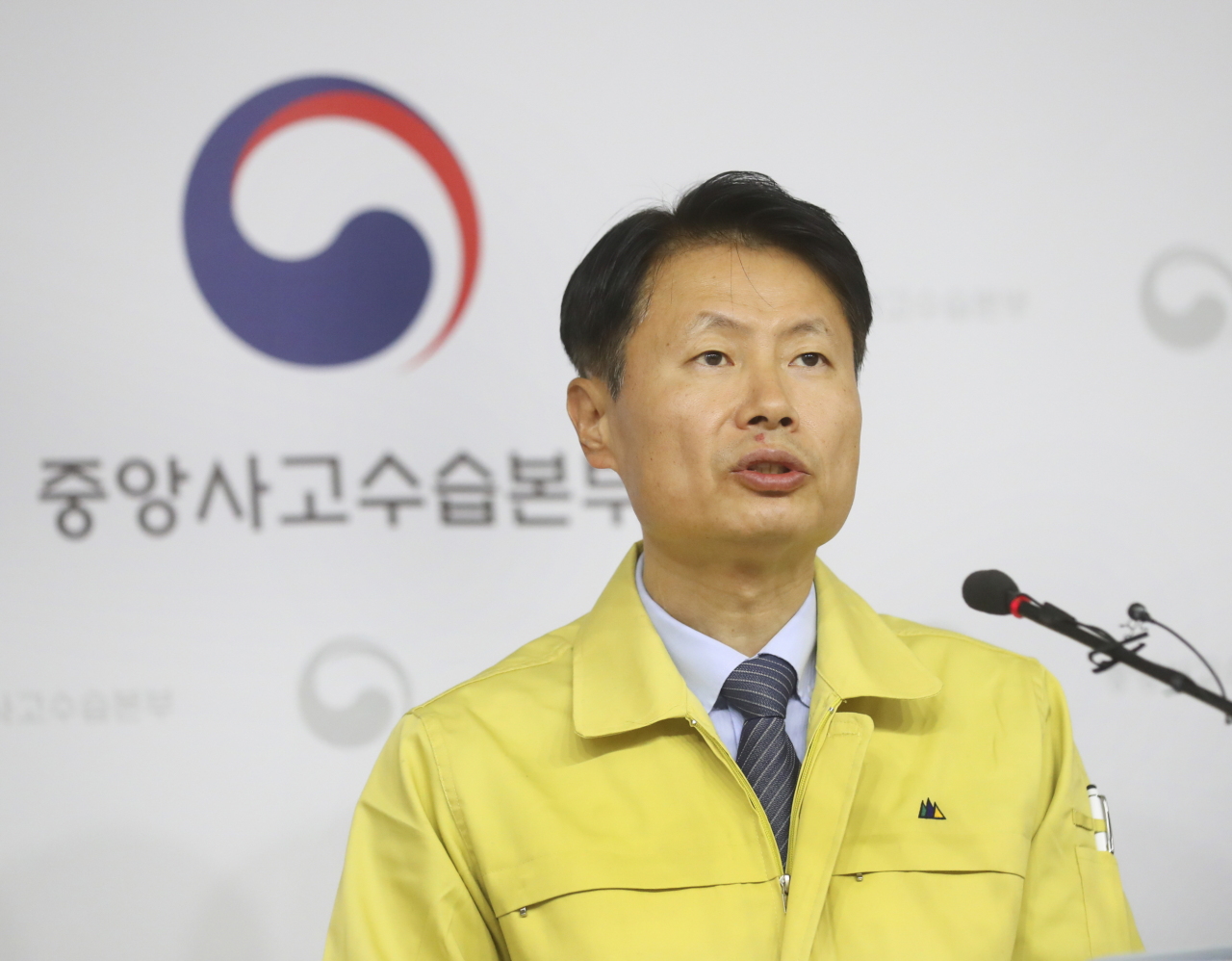
| Ministry of Health and Welfare said Friday it may revoke licenses from striking doctors. (Ministry of Health and Welfare) |
Amid a resurgence in coronavirus cases, Korean government and doctors are on collision course over a set of health bills, which involve reforming the way the country recruits and deploys its health care workforce, among others.
Thousands of young doctors launched a strike with no end date on Friday, demanding the government scrap the plans and negotiate “from square one.”
In response, Vice Minister of Health and Welfare Kim Gang-lip said in a Friday briefing the government may take licenses away from doctors who strike, warning that “the doctors, by staging the walkout, could threaten the lives of thousands.”
“If the doctors continue to strike, there are disciplinary actions the government can take against their licenses to practice medicine,” the vice minister said, adding that he was “hoping for compliance before any penalty is issued.”
Doctors have organized two rounds of protests over the last two weeks, with clinics having closed last Friday in a one-day walkout.
Since the health bills were announced last month by the Cabinet and the ruling Democratic Party, at least three meetings have taken place between the medical community and the ministry, each one ending with no apparent progress.
With interns and residents already striking, and more doctors are set to join next week, Korea may have the largest medical strike in 20 years on the brink of a second wave. The government, however, refuses to budge.
In a closed-door press briefing Friday afternoon, health officials acknowledged doctors had not been formally included in the discussion of bills prior to their announcement.
“The ministry, however, worked with numerous civic organizations, Korean traditional medicine practitioners and other interest groups over nearly six months before drafting the bills,” said one of the senior health officials who was present at the briefing. “It would be virtually impossible to accommodate doctors’ demands at this stage.”
Health officials insist they are “open to all possibilities,” urging the doctors to “come to the table” and call off the strike action.
But doctors argue the officials acceded to speak with them only after they said they would go on strike. Their first meeting with the government was Aug. 6 — a day before the first protest — with the vice minister.
Doctors said that in the strikes, critical and urgent care will not be disrupted and essential staff will not take leave. No major disruptions in health services have been reported in the last two strikes, the ministry said.
By Kim Arin (arin@heraldcorp.com)